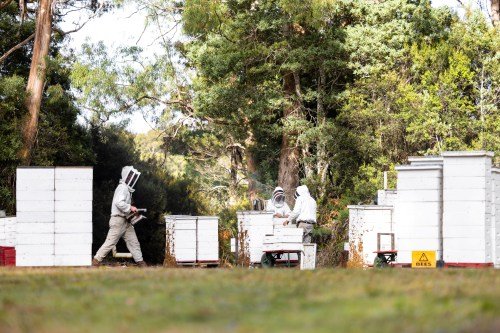
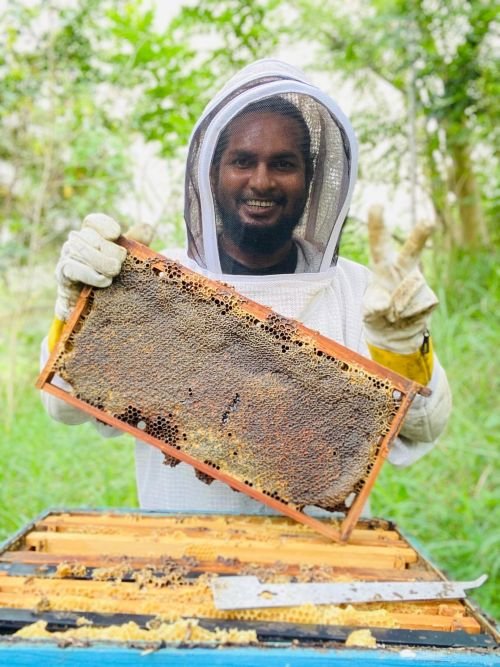
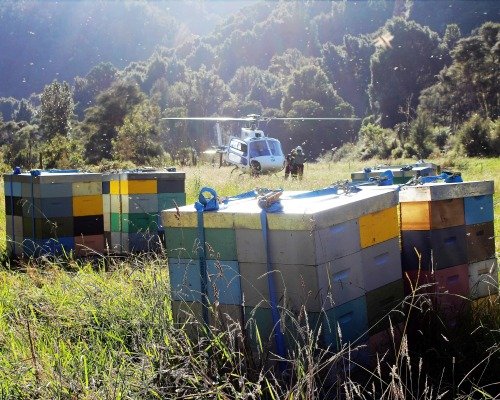
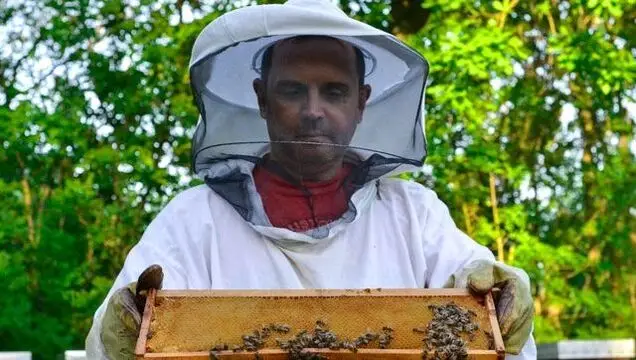
Oceania is a treasure trove of biodiversity. The European honeybee, introduced by early settlers, has flourished to allow a robust beekeeping industry, producing unique and distinctive products like manuka honey and organic honey from isolated island ecosystems.
Beekeepers in the region are actively adjusting to the growing challenges posed by climate change, including more frequent droughts, bushfires, cyclones, and floods. An additional hurdle has been the recent spread of varroa mites to previously untouched areas like Australia and Fiji, creating significant challenges for beekeepers.
Highly skilled beekeepers from Australia and New Zealand build global connections with international scientists through networks fostered by Apimondia activities. For developing beekeeping nations like Fiji and other small states, Apimondia offers a platform to learn from countries with similar development paths and from those with more established beekeeping industries.