Sharm El Sheikh, Egypt | 4–6 December
From 4 to 6 December, the 15th Arab Beekeeping Conference was successfully held in Sharm El Sheikh, Egypt, bringing together a large number of beekeepers, researchers, experts, and stakeholders from across the Arab region and beyond. The event proved to be an important platform for knowledge exchange, professional dialogue, and strengthening cooperation in the field of apiculture.
The conference was characterized by a high level of participation from many Arab countries, reflecting the strong interest in the development of beekeeping and the protection of bees in the region. Alongside the scientific and professional sessions, a beekeeping exhibition took place, where companies, organizations, and individual producers presented modern equipment, innovative technologies, hive products, and local honey varieties. The exhibition attracted significant attention and created excellent opportunities for networking and business cooperation.
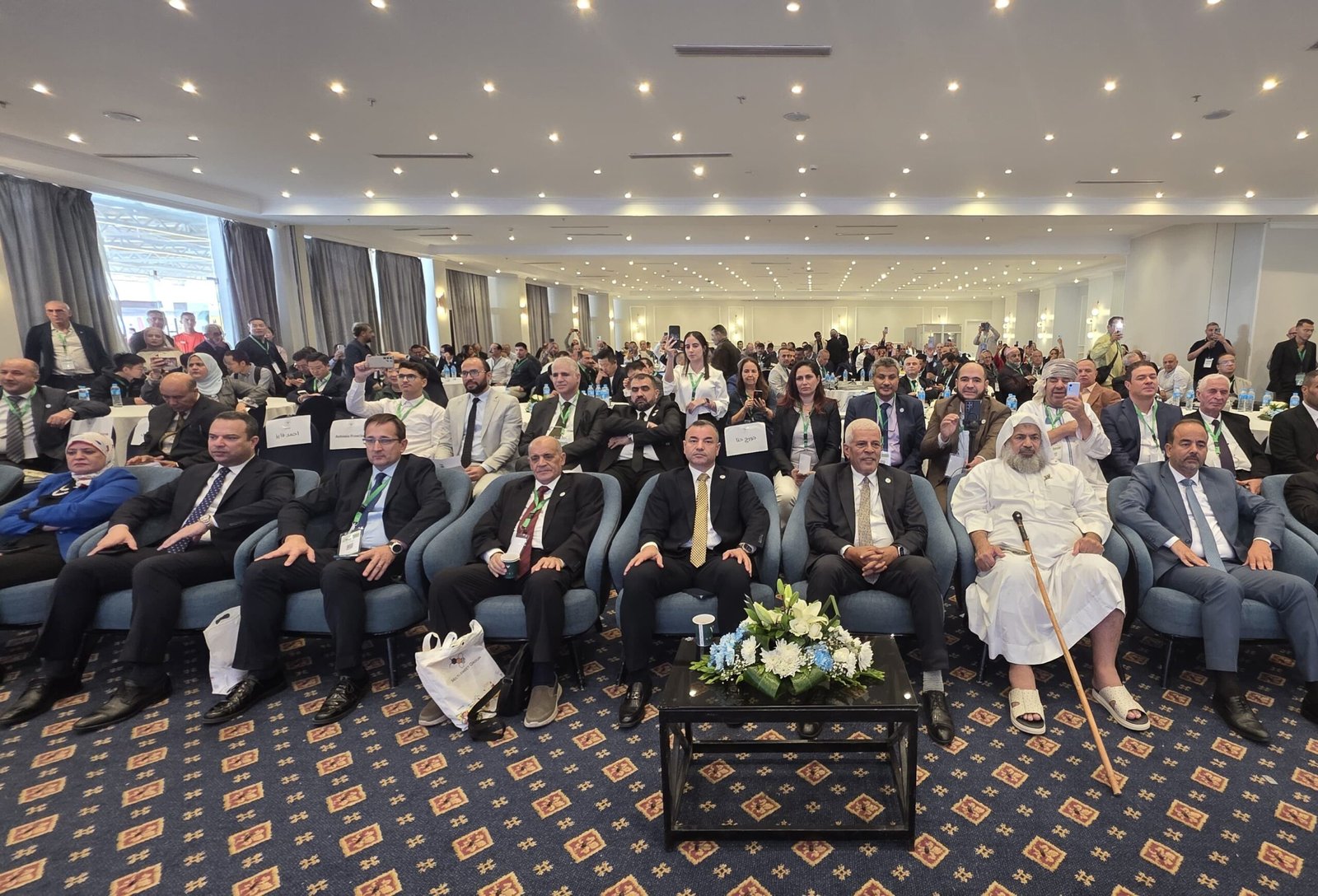
The conference was honored by the presence of the President of Apimondia, Dr. Peter Kozmus, who delivered the official opening address. In his speech, he expressed deep appreciation to the Arab Beekeepers Union, the Egyptian organizers, and the local community for their warm hospitality and outstanding organization. He highlighted Sharm El Sheikh as a city known not only for its natural beauty, but also for its cultural richness and generosity, and thanked the organizers for their dedication and commitment to bringing the global beekeeping community together.
In addition to the opening speech, Dr. Peter Kozmus also delivered a keynote lecture, in which he presented the work of Apimondia, its organizational structure, scientific commissions, and global activities. He outlined Apimondia’s long-term vision, its way of working, and its role in supporting beekeepers, science, and international cooperation. His presentation provided participants with a clear overview of how Apimondia operates and how national and regional organizations can actively engage in its work.
In his addresses, Dr. Kozmus underlined the rich beekeeping heritage of the Arab world, recalling ancient Egyptian depictions of honey production and the deep respect for honey in Islamic tradition, including its reference as “a healing for mankind” in the Holy Qur’an. He emphasized that bees symbolize harmony, cooperation, and blessing (barakah), values that are essential both in nature and in the daily work of beekeepers.
He also addressed the major current challenges facing global beekeeping, including climate change, environmental pressures, emerging pests and diseases, and in particular, the growing presence of adulterated and fake honey on the global market. This phenomenon, he noted, undermines the work of honest beekeepers, misleads consumers, and damages trust in bee products. He stressed that Apimondia has made this issue a priority and is working actively with scientists, laboratories, governments, and international partners to develop stronger standards, improved testing methods, and fairer market conditions.
Furthermore, he emphasized that such challenges can only be overcome through unity and collaboration, stating that no country or organization can face these issues alone. He called for closer international cooperation, comparing the global beekeeping community to a beehive, where success depends on working side by side.
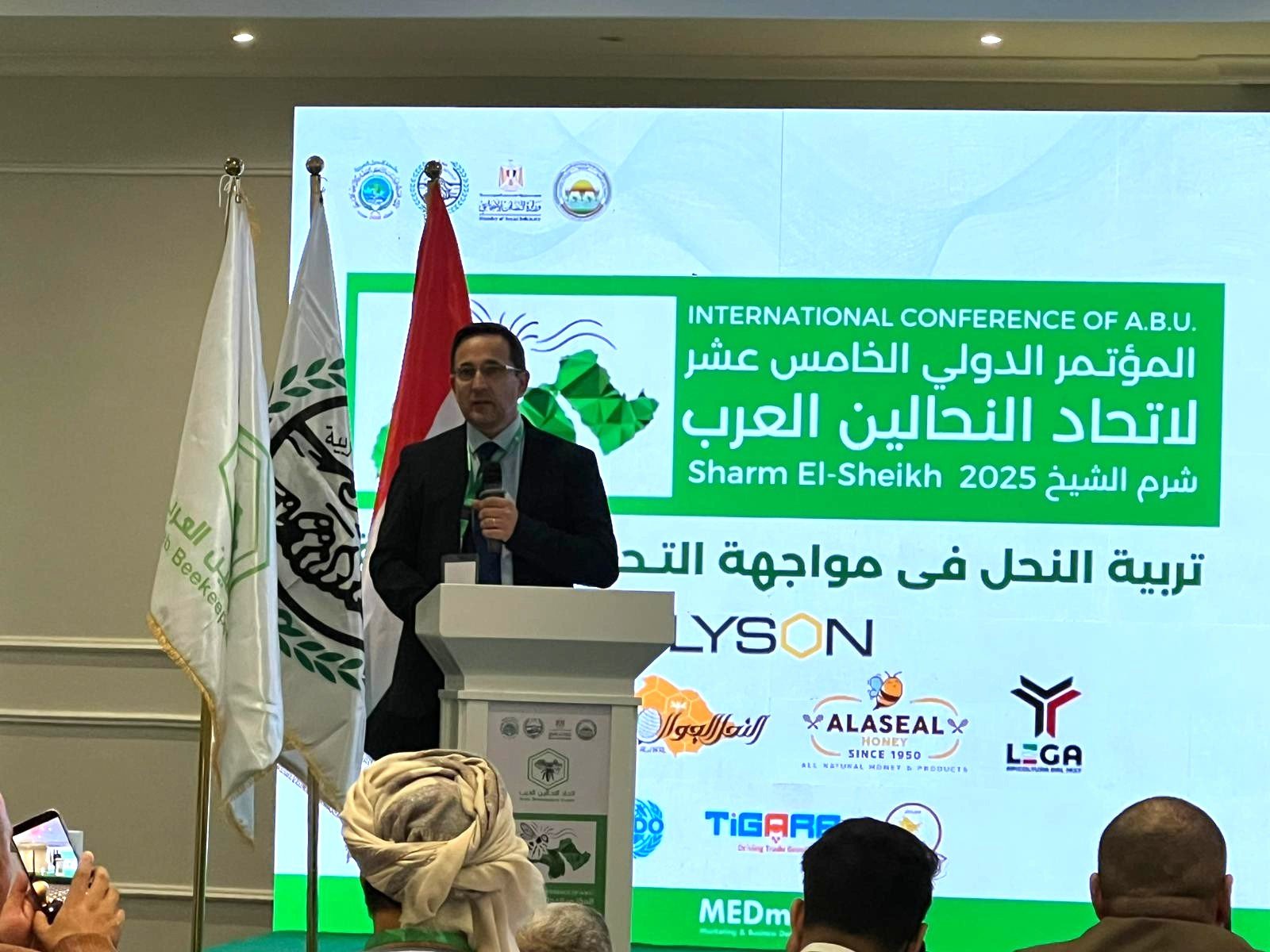
In conclusion, Dr. Kozmus reaffirmed Apimondia’s vision to support beekeepers, strengthen scientific research, and promote collaboration across borders. He highlighted the importance of inspiring young people to see beekeeping as a profession of the future and of ensuring that honey is valued for its authenticity and purity.
The conference in Sharm El Sheikh successfully strengthened ties between the Arab region and the global beekeeping community and confirmed the importance of continued cooperation, knowledge-sharing, and solidarity. The event was widely regarded as a great success, leaving participants inspired and motivated for the future.