Apimondia brings together beekeepers, researchers, and experts from around the world. Because the field of apiculture is extremely broad—ranging from bee biology and hive health to technology, economics, ecology, pollination, and product quality—a single committee cannot effectively cover all areas.
For this reason, Apimondia operates through seven Scientific Commissions, each dedicated to a specific discipline. This structure allows for deeper scientific focus, better knowledge exchange, and the development of expert recommendations that support beekeeping worldwide.
Examines the therapeutic properties of bee products such as honey, propolis, royal jelly, and bee venom.
Goal: to promote safe, research-based, and responsible use of apitherapy.
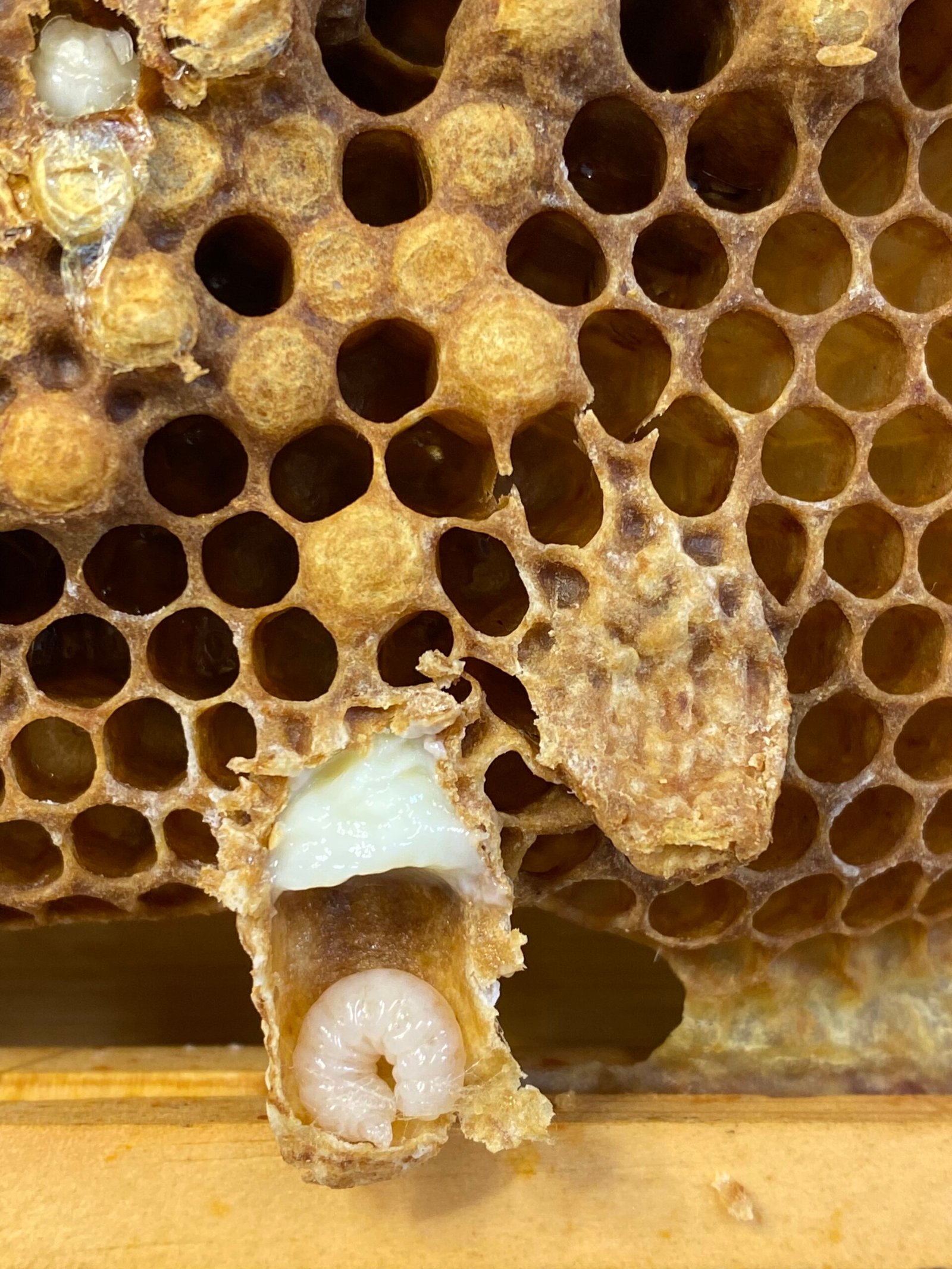
Covers honey bee diseases, parasites, viruses, bacterial infections, and pests, as well as safe and sustainable treatment methods.
Goal: to reduce colony losses and improve global bee health management.
This commission focuses on the biology of honey bees and other pollinators. It studies behavior, genetics, reproduction, ecology, and environmental factors affecting bees.
Goal: to strengthen scientific understanding of bees and support sustainable beekeeping practices.
Studies market trends, production costs, profitability, and the socio-economic importance of beekeeping.
Goal: to provide economic insights and tools that help ensure sustainable and viable beekeeping sectors.
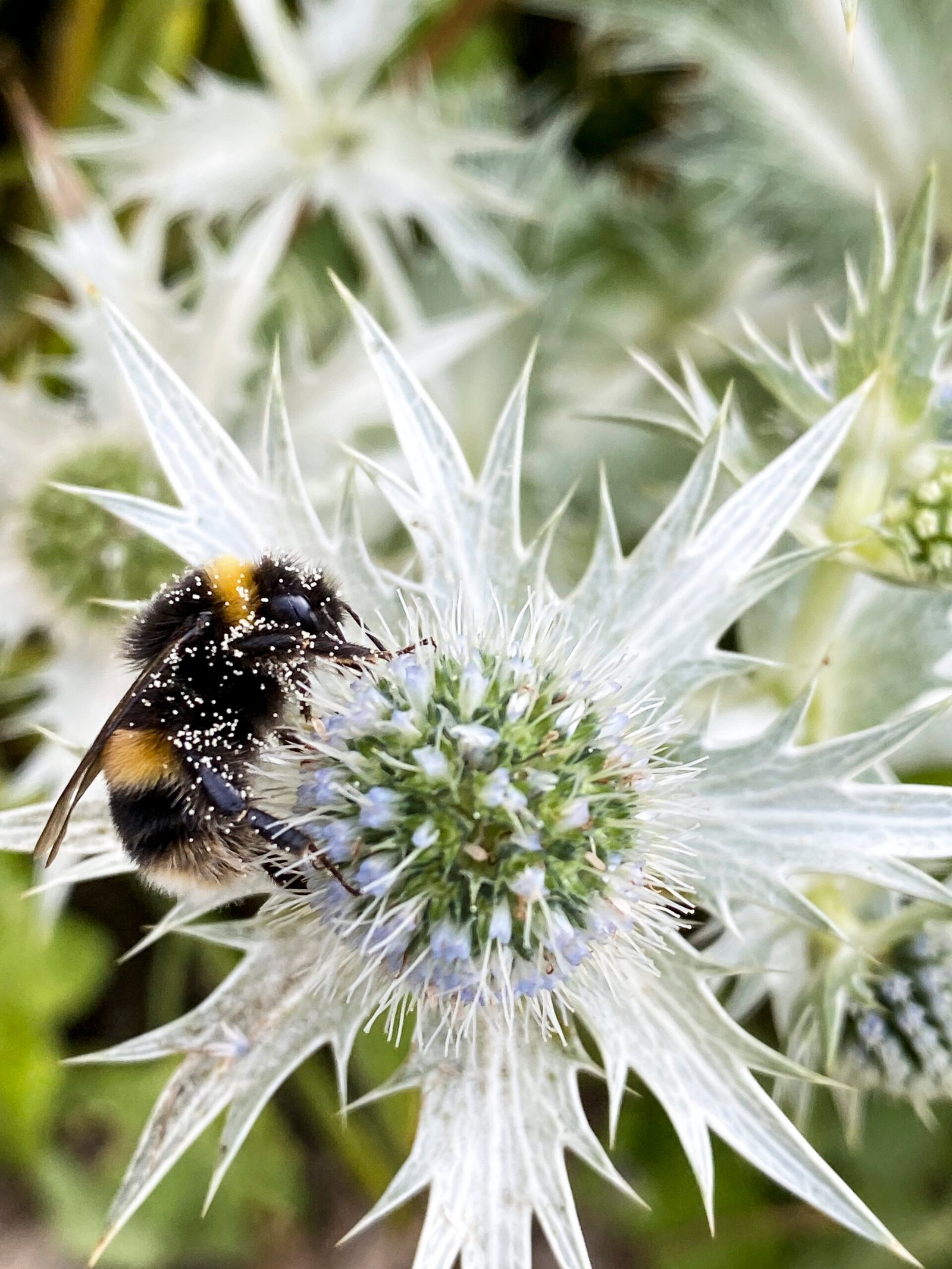
Focuses on the role of honey bees and other pollinators in ecosystems, the impact of pesticides, climate change, biodiversity, and habitat conservation.
Goal: to protect pollinators and promote healthy environments that support them.
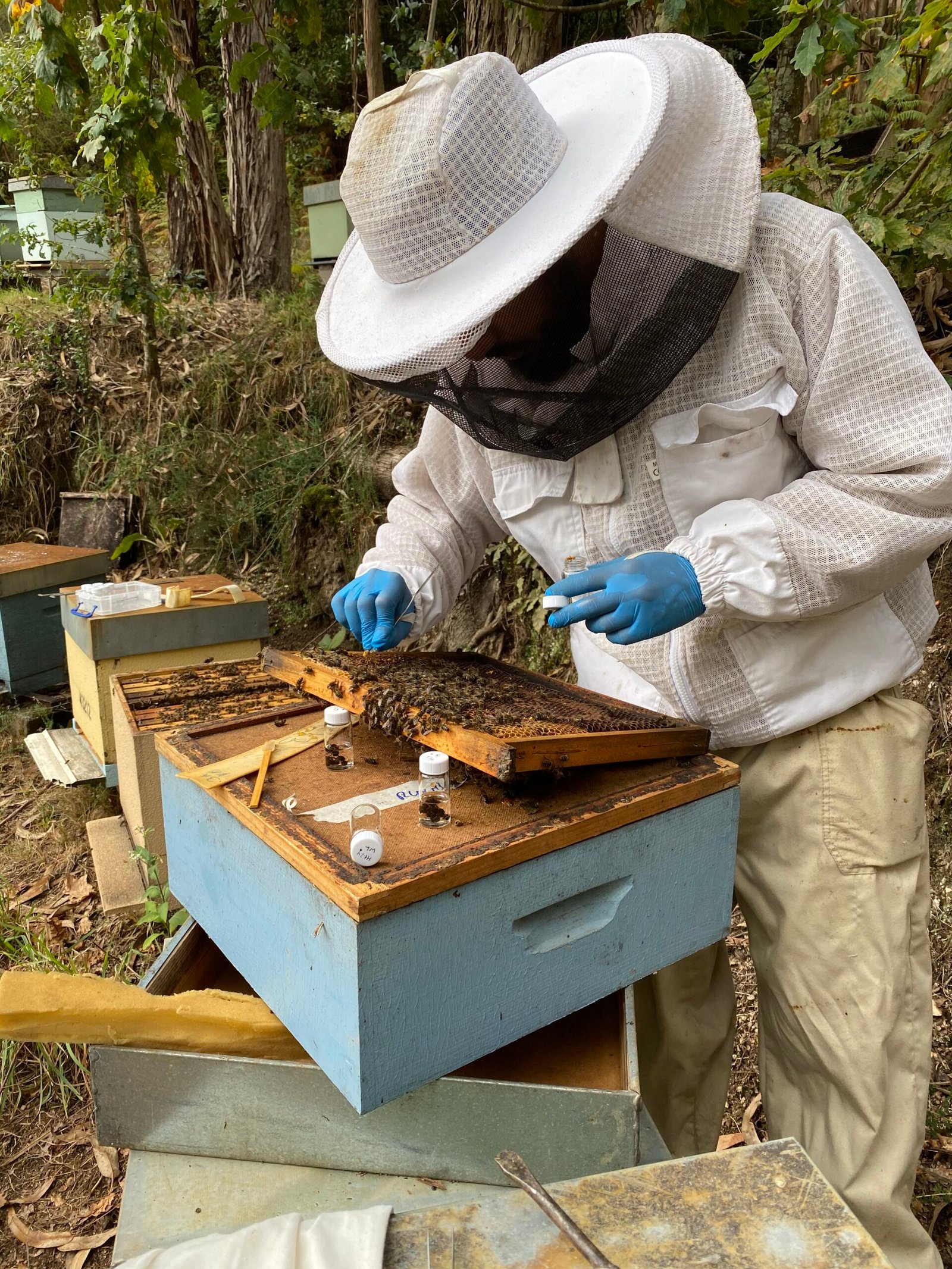
Focused on practical beekeeping: hive construction, equipment, management techniques, seasonal work, queen rearing, breeding programs, and knowledge transfer.
Goal: to support beekeepers worldwide by improving efficiency, sustainability, and innovation in practical apiculture.
Dedicated to honey, beeswax, pollen, propolis, royal jelly, and other bee products. It addresses production processes, quality standards, food safety, and authenticity.
Goal: to ensure high-quality, pure, and safe bee products globally.
Together, these seven Scientific Commissions allow Apimondia to address the entire spectrum of apiculture—from hive biology to global environmental challenges. Their work supports scientific progress, strengthens beekeeping practices, and ensures that informed, research-based decisions benefit beekeepers and pollinators worldwide.