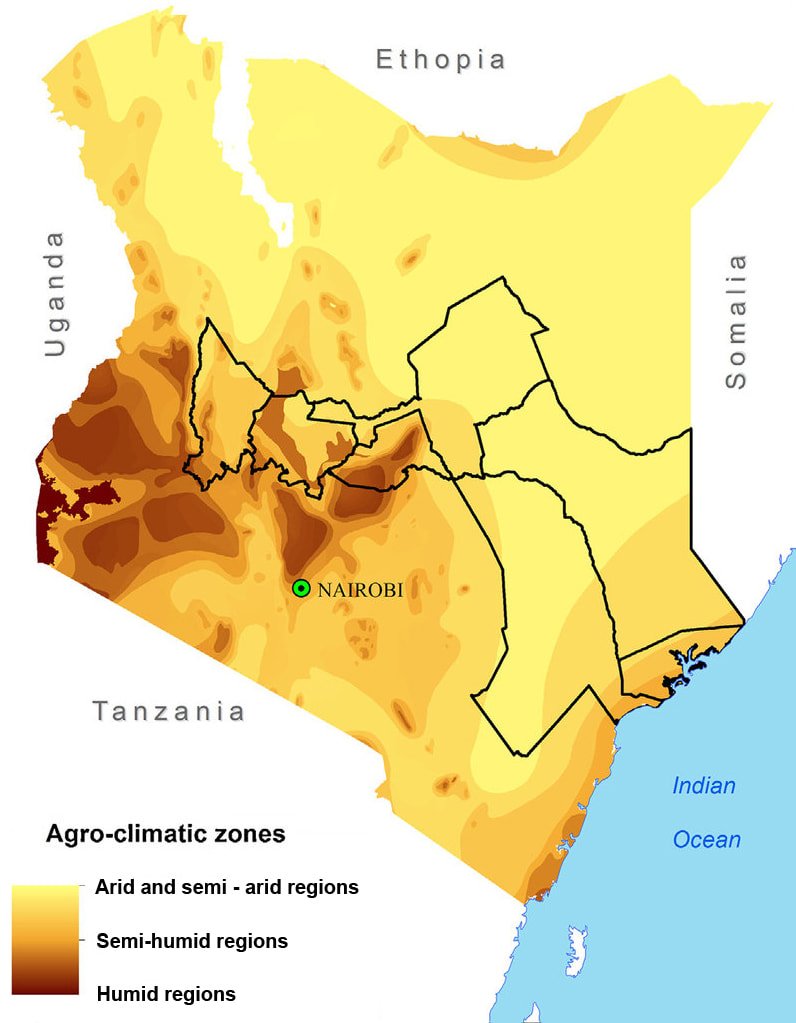
Kenya’s 80 per cent Arid and Semi-Arid Land (ASAL) households and biodiversity has a huge transformational potential through beekeeping. This region already accounts for more than three quarters of the annual 25,000 metric tons that is being tapped. The current success is achieved despite little investment in training and modernization. Beekeeping is largely practiced within small scale rural households. It is estimated that 80 per cent of Kenya’s honey production comes from the traditional log hive. Adequate bee flora, such as acacias, provides huge potential in commercial beekeeping.
Beekeeping in Kenya has the potential to greatly contribute to Kenya’s implementation of the global Sustainable Development Goals (SDGs) such as poverty eradication, food security and climate action. However, there have been no concrete steps taken by stake holders to develop a modern beekeeping industry. The policy paper on apiculture development in Kenya remains for a long time in the development stage, despite the glaring potential of the industry.
Kenya plans to export honey to the European Union by 2022. It is also looking to increase the current production from 25,000 to 38,000 metric tons over the same time and ultimately beyond 100,000 metric tons. The taskforce working on developing the beekeeping policy paper must look at beekeeping from an approach that develops new beekeepers. The most basic is by availing beehives and other basic equipment for piloting and training communities. However, more than just looking at the production of commercial honey, the policy must address the welfare of the bee.
The two major challenges facing the future of the bee in Kenya are the loss of bee biodiversity and use of pesticides. Huge tracks of land that supported bee flora are being cleared to food production and other harmful practices such as charcoal burning. There is need to come out boldly to address biodiversity loss. A proposed for development of beekeeping zones would suffice if indeed Kenya’s seriousness at exploiting commercial beekeeping is to be believed. Under the bee zones, there would be strict laws prohibiting the interference with the current ecosystems. This would be informed by an appropriate land use policy. Lands would be put to most appropriate use, in our case plans that support beekeeping such as fruity trees growth and other livestock rearing. This will address partly the challenge caused by declining bee colonies due to climate change. The use of pesticides would be highly discouraged within the zones even as more measures are put to wholesomely eradicate the use of pesticides. This would support the commercialization of beekeeping in food production through pollination. Ultimately the country will be making gains in achieving food security.
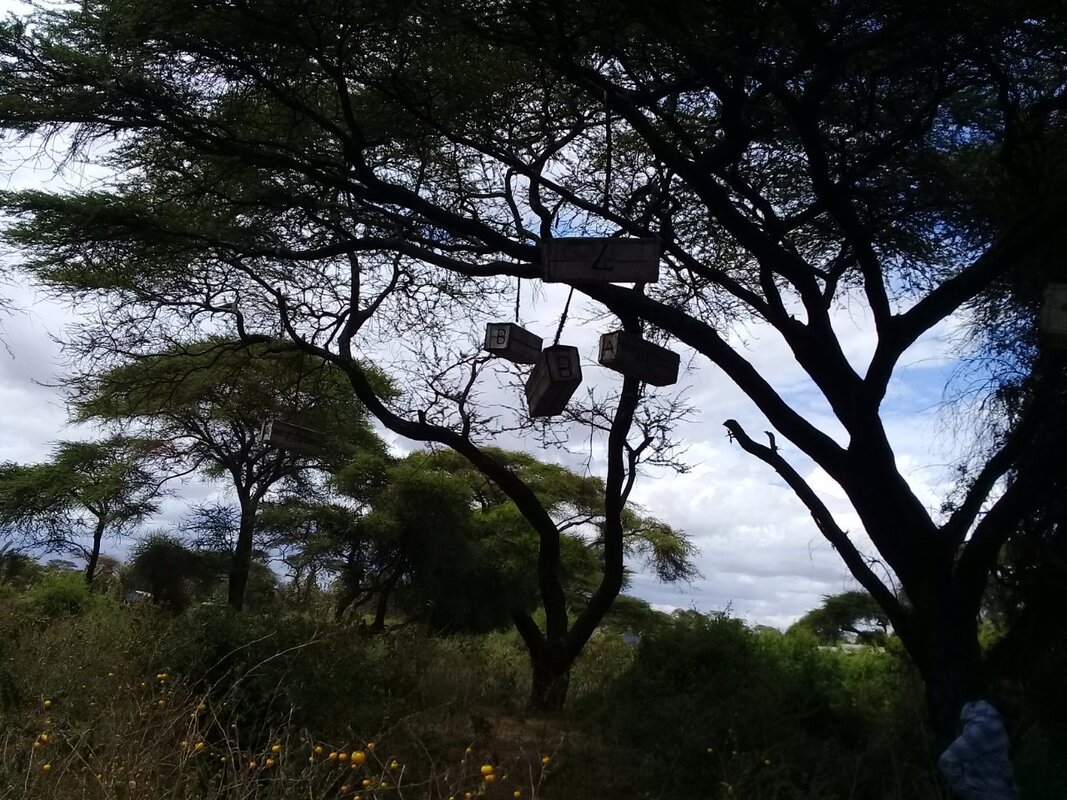
Communities remain a basic unit in the development of a modern bee industry after land. They must therefore be involved through training and capacity building. While the National government should see to it that a national policy on beekeeping is developed, it is the local governments that develops the policy. The policy implementation should look at nontraditional groups such as women and youths. This can be achieved mainly through modernization and working under associations. Associations would provide stability in markets while offering structured institutions for supporting local beekeepers. Simple modernization such as hive modernization would make the practice user friend to group such as women. Traditional hives that are hanged on trees may not be suitable for women in Africa because of cultural rules that make women climbing trees unethical. Mechanization and value addition would make beekeeping appealing to youths who account to more than 60% of Kenya’s population and face high levels of unemployment. Further, capacity building should look at establishing community processing plants through community cooperative. The cooperatives would also work as centers for beekeeping developments through training facilitation and equipment provisions for local communities. A key emphasis to communities would be the relationship between beekeeping and environmental conservation. There shall never be bees with healthy ecosystems.
The global demands for honey, bees wax, propolis and even bee poison are on a continuing upward curve. The supply for these demands continue to fall despite great unexploited potential in places like Kenya. Bees could be the catalyst in rural household needed to help bridge inequality, malnutrition and extreme poverty. Beekeeping is one of the many channels to biodiversity conservation. We have the opportunity today, let’s choose to grab and buzz away with it.
James Njuguna Wangunyu is the founder Happy Community Organization, a non-profit organization focused on developing a modern bee industry in Kenya to help in poverty eradication and biodiversity conservation as part of its contribution to the sustainable development goals.